

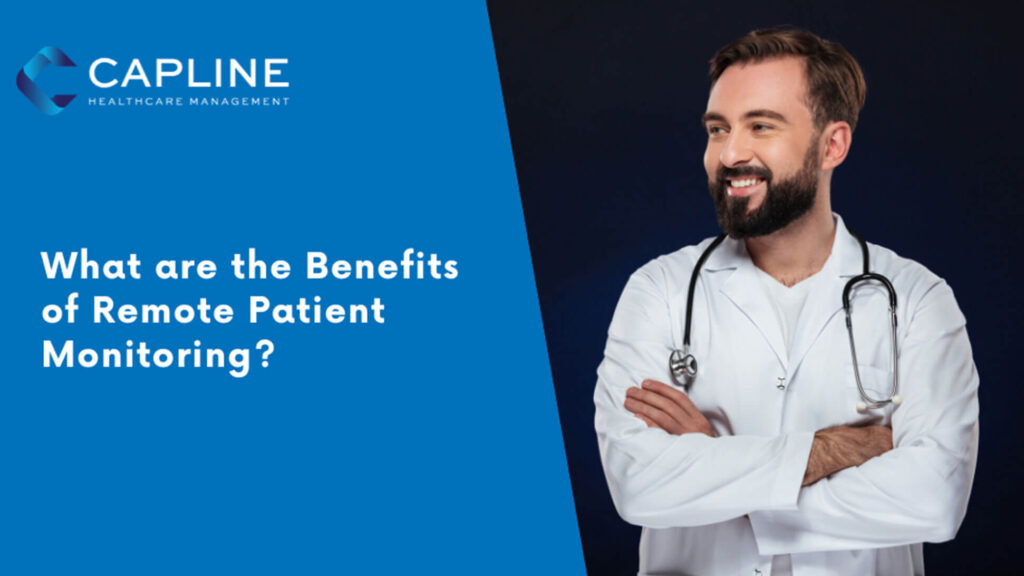
What are the Benefits of Remote Patient Monitoring?
A patient with heart failure leaves the hospital feeling fine. Three weeks later, she's back in the ER with fluid buildup nobody caught in time. This kind of story plays out constantly across the US, and it's exactly the gap that remote patient monitoring benefits are designed to close.
Hospital readmissions remain one of healthcare's most expensive problems. Heart failure alone is the leading cause of hospital readmissions in the country.
A peer-reviewed study found that patients using remote monitoring after a heart failure discharge had 38% lower odds of a 90-day readmission, based on data from AMC Health's case study. That single number explains why so many health systems are racing to adopt this technology.
What Is Remote Patient Monitoring?
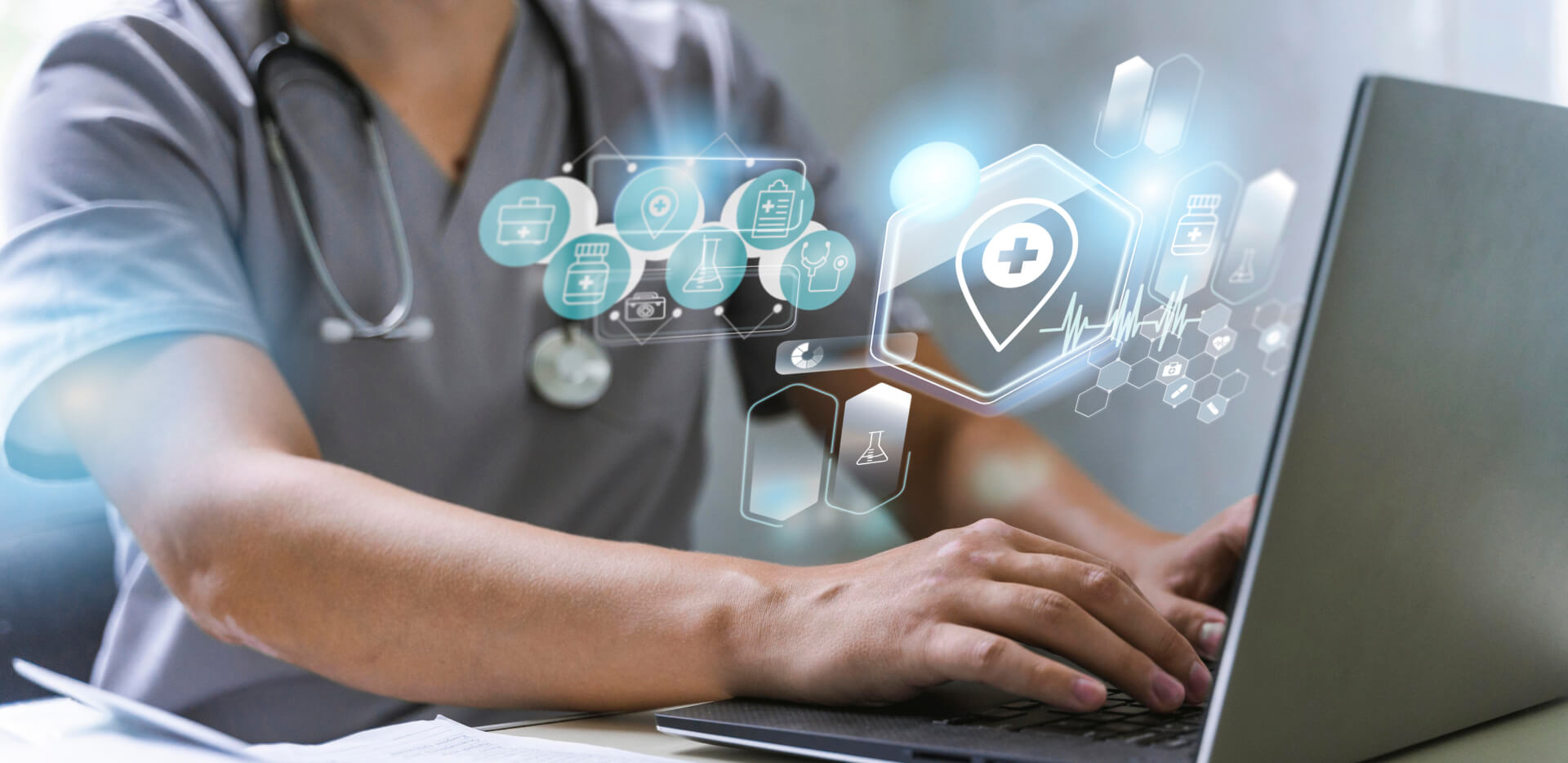
Remote patient monitoring, or RPM, uses connected devices like blood pressure cuffs, glucose meters, and pulse oximeters to send a patient's health data to their care team in real time, without an in-person visit.
Instead of waiting for a scheduled appointment, clinicians get a steady stream of readings. That means problems can be caught days or weeks before they would have shown up at a checkup. For patients managing chronic conditions, that early warning can be the difference between a phone call and an ambulance ride.
Why Are Hospitals Adopting RPM So Quickly?
The clinical results speak for themselves. A peer-reviewed cohort study published in the Journal of Medical Internet Research found that home telemonitoring meaningfully reduced hospital readmissions and emergency department visits among high-risk patients after discharge.
Real-world hospital data backs this up too. The University of Pittsburgh Medical Center reported a 76% drop in readmission rates after equipping discharged patients with RPM devices and tablets, according to HealthViewX's analysis of UPMC's program. Patient satisfaction scores at UPMC also climbed above 90% during that same period.
Cost matters here too. Programs like this routinely show a strong return. One telemonitoring program reported a return of roughly $3.30 for every $1 spent, based on the same HealthViewX report. That kind of math gets noticed in any boardroom.
How Does RPM Improve Chronic Disease Management?
Chronic conditions like hypertension and diabetes need constant attention, not just an annual check-in. RPM gives care teams the data to adjust treatment plans in near real time instead of guessing between visits.
One retrospective analysis of an RPM hypertension program found a 9.1% reduction in systolic blood pressure and a 9.7% reduction in diastolic blood pressure among Stage 2 hypertensive patients, as reported by Prevounce's review of RPM outcomes. For a condition tied directly to stroke and heart attack risk, that kind of measurable drop matters a great deal.
Medication adherence improves too, since patients who know they're being monitored tend to stay more consistent with their care plans. Better adherence naturally feeds back into fewer flare-ups and fewer emergency visits.
What Should Practices Look for in an RPM Program?
Not every RPM setup delivers the same results. The strongest programs combine three things: reliable connected devices, a care team that actually reviews the data daily, and a billing process that captures reimbursement correctly under current CMS rules.
That last piece trips up a lot of practices. RPM and remote therapeutic monitoring billing codes have specific time-tracking and documentation requirements, and the 2026 CMS Physician Fee Schedule introduced new guidance to simplify some of that tracking, according to Storm3's telehealth market outlook. Practices that don't have dedicated billing support often leave reimbursement on the table simply because the documentation wasn't airtight.
This is where outsourced revenue cycle management and medical billing support genuinely pay off. A team that already understands RPM coding rules can help a practice capture revenue it would otherwise miss.
Ready To Bring RPM Into Your Practice?
The clinical case for remote patient monitoring is no longer in question. What separates a successful program from a stalled one is the operational support behind it. If you want help building the billing and revenue cycle foundation for your RPM program, contact Capline Healthcare Management and let our team handle the administrative side while you focus on patient care.
Frequently Asked Questions
Is remote patient monitoring only for patients with serious conditions?
No. While it's especially valuable for chronic conditions like heart failure and diabetes, RPM also works well for post-surgical recovery and general wellness tracking.
Does insurance cover remote patient monitoring?
Medicare and many private payers cover RPM under specific CPT codes, though documentation requirements vary. A billing partner familiar with these codes can help confirm coverage for your patient population.
How quickly can a practice start an RPM program?
Many vendors offer device kits and onboarding within a few weeks. The bigger time investment is usually training staff on daily monitoring workflows.
What's the biggest barrier to RPM adoption?
Staffing and billing complexity, not the technology itself. Most devices today are simple for patients to use; the challenge is having someone consistently review the data and bill for it correctly.