

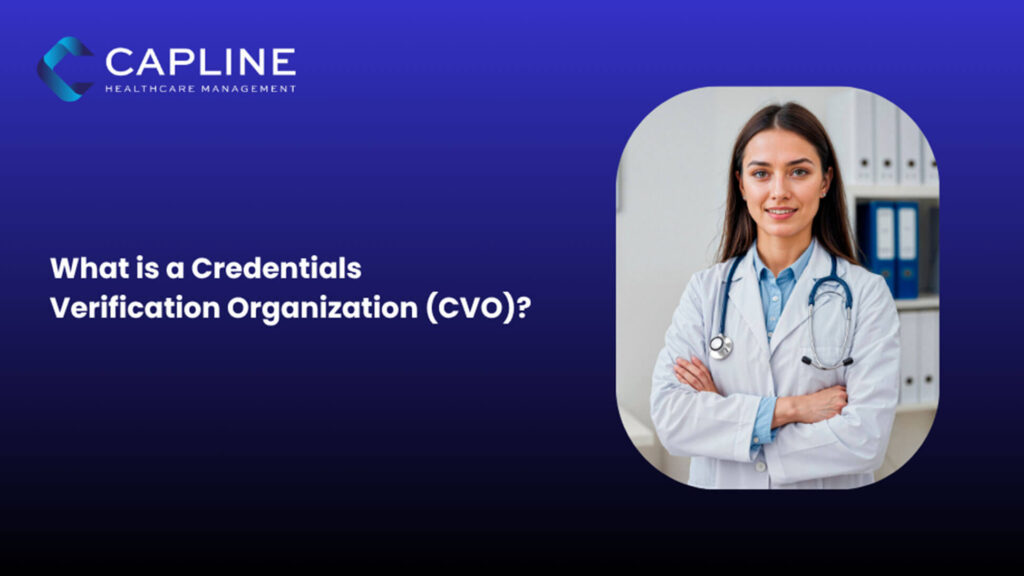
What is a Credentials Verification Organization (CVO)?
For many dental practices, the hard part is not only treating patients. It is staying on top of insurance rules, provider enrollment, and paperwork that affects payment. The pressure is real. In the American Dental Association’s 2024 survey, 57.7% of practices named insurance issues among their top challenges for 2025. In a separate ADA survey of owner dentists, 57.3% of those who dropped some insurance networks said administrative burden was one reason. This article explains what a CVO is, why it matters, and how it helps reduce credentialing mistakes that can slow approvals, billing, and revenue. Original source data comes from the ADA.
What is a Credentials Verification Organization (CVO)?
A Credentials Verification Organization, or CVO, verifies a provider’s credentials through primary sources, recognized sources, or approved agents of those sources. The National Committee for Quality Assurance (NCQA) describes a CVO as an organization whose work is to verify practitioner credentials and maintain accurate, efficient verification processes. In simple CVO in medical terms, it means a specialist group checks whether a provider’s license, training, work history, and other records are real, current, and complete.
This matters because credentialing is not just a paperwork task. It is part of the trust and compliance structure behind patient care. It also supports a provider’s path to hospital privileges, payer enrollment, and reimbursement. Capline’s credentialing description also notes that verified qualifications help providers meet the standards required by insurance networks and hospitals to provide care and receive payment.
What does a CVO usually verify?
A CVO may verify items such as a provider’s state license, education, training, board certification, work history, malpractice history, and sanctions or exclusions where required. The key point is that the information is checked against trusted sources, not just copied from an application. That makes the process more reliable and helps reduce errors before they create bigger issues.
For practices, this means fewer surprises. If a license has expired, a work history gap has not been addressed, or a document is missing, it is better to catch these issues early than to discover them when an enrollment file is already under review.
Why does a CVO matter in billing?
A lot of people search for CVO in medical billing or CVO in healthcare billing, and the reason is simple. Billing depends on correct provider data. A CVO does not submit claims, but it supports the information that billing depends on. If provider records are not clean, payer enrollment can be delayed, revalidation can become harder, and payment may be held up while records are corrected.
CMS makes this especially important for Medicare providers. Providers must keep their enrollment records current, report certain changes on time, and complete revalidation to maintain billing privileges. CMS also notes that missing required information or not responding to documentation requests can delay processing or lead to the deactivation or revocation of billing privileges. That is why clean credential data matters so much before billing problems start.
Who needs a CVO?
CVO services are often used by health plans, hospitals, medical groups, and organizations that need a dependable way to verify provider credentials. Dental practices can benefit too, especially when they are adding new providers, joining more insurance plans, opening new locations, or trying to manage recredentialing without overwhelming their staff.
This is especially useful for growing dental groups. One missing document can hold up a dentist’s participation with a payer. One outdated record can create extra follow-up. A CVO helps bring more structure to that process, which can save time for office teams already handling front desk work, treatment coordination, and insurance communication.
How is a CVO different from credentialing and enrollment?
These terms are closely related, but they are not the same.
A CVO focuses on verification. It checks whether the provider’s credentials are real, active, and properly documented. Credentialing is the wider review process that uses verified information to assess whether a provider meets participation standards. Enrollment is the step where provider information is submitted and maintained with payers such as Medicare or commercial insurance plans. Billing happens after that, when claims are sent for payment.
So when people ask about CVO in healthcare billing, the best answer is this: a CVO supports the foundation that helps billing move forward more smoothly, even though it is not the same thing as billing itself.
When should a dental practice think about using CVO support?
A dental practice should think about CVO support when credentialing work starts to slow down operations. That may happen when the practice is hiring, replacing providers, adding locations, dealing with repeated follow-up from payers, or trying to keep files updated across multiple plans.
This also matters when administrative work starts eating up too much staff time. ADA survey findings show that insurance and practice overhead remain major concerns for dental practices, and administrative burden continues to affect participation decisions. When offices are already stretched, cleaning up credential verification can remove one source of friction.
Need help with credentialing, enrollment, or billing workflows for your practice? Visit Capline Healthcare Management to explore support options and practical solutions.
FAQs
What does CVO stand for?
CVO stands for Credentials Verification Organization. It is an organization that verifies a provider’s credentials using trusted sources.
Is a CVO the same as billing?
No. A CVO does not handle claims submission. It verifies provider information that supports enrollment, credentialing, and smoother billing operations.
Why is a CVO important for dental practices?
It helps reduce errors in provider records, supports payer enrollment, and lowers the chance of delays caused by missing or outdated information. That matters even more when dental offices are already dealing with insurance and administrative pressure.
Is a CVO only for large healthcare organizations?
No. Large organizations use CVOs often, but smaller practices can benefit too when credentialing becomes hard to manage or starts slowing enrollment and revenue flow.