

What’s The Future Of Medical Credentialing With Digital Health And Remote Patient Care?
You need to understand that your doctor is qualified, whether you are in the same room or watching him/her on the screen.
Medical credentialing allows healthcare providers to receive appropriate training, licenses, and experience in order to treat you safely. As the healthcare paradigm is transformed by digital health and remote care of patients, this process is accelerating rapidly. How will it be maintained? What is going on, and what can you count on? Let us see.
Why Medical Credentialing Is Crucial for You
Medical credentialing ensures that your doctor or nurse meets high professional standards. It verifies their education, qualifications, licenses, certifications, and employment history to give patients confidence in the quality of care they receive. A Credentialing Specialist plays an important role in managing this process by reviewing provider documents, ensuring compliance, and confirming that healthcare professionals are properly qualified to deliver safe patient care.
- Guards your safety: Ensures you have licensed providers operating on you.
- Increases confidence: You are sure that your telehealth doctor is not a fake.
- Benefits for hospitals: Hospitals get qualified recruits within a short period.
Years back, credentialing referred to a mountain of papers and years of waiting. Digital health products (such as telehealth apps and remote patient care devices) now require faster processing and intelligent workflows. A Medical Credentialing Specialist helps healthcare organizations adopt modern credentialing solutions, manage provider verification efficiently, and ensure compliance in the rapidly evolving digital health environment.
How Digital Health Transforms Credentialing
Faster Processes with Technology
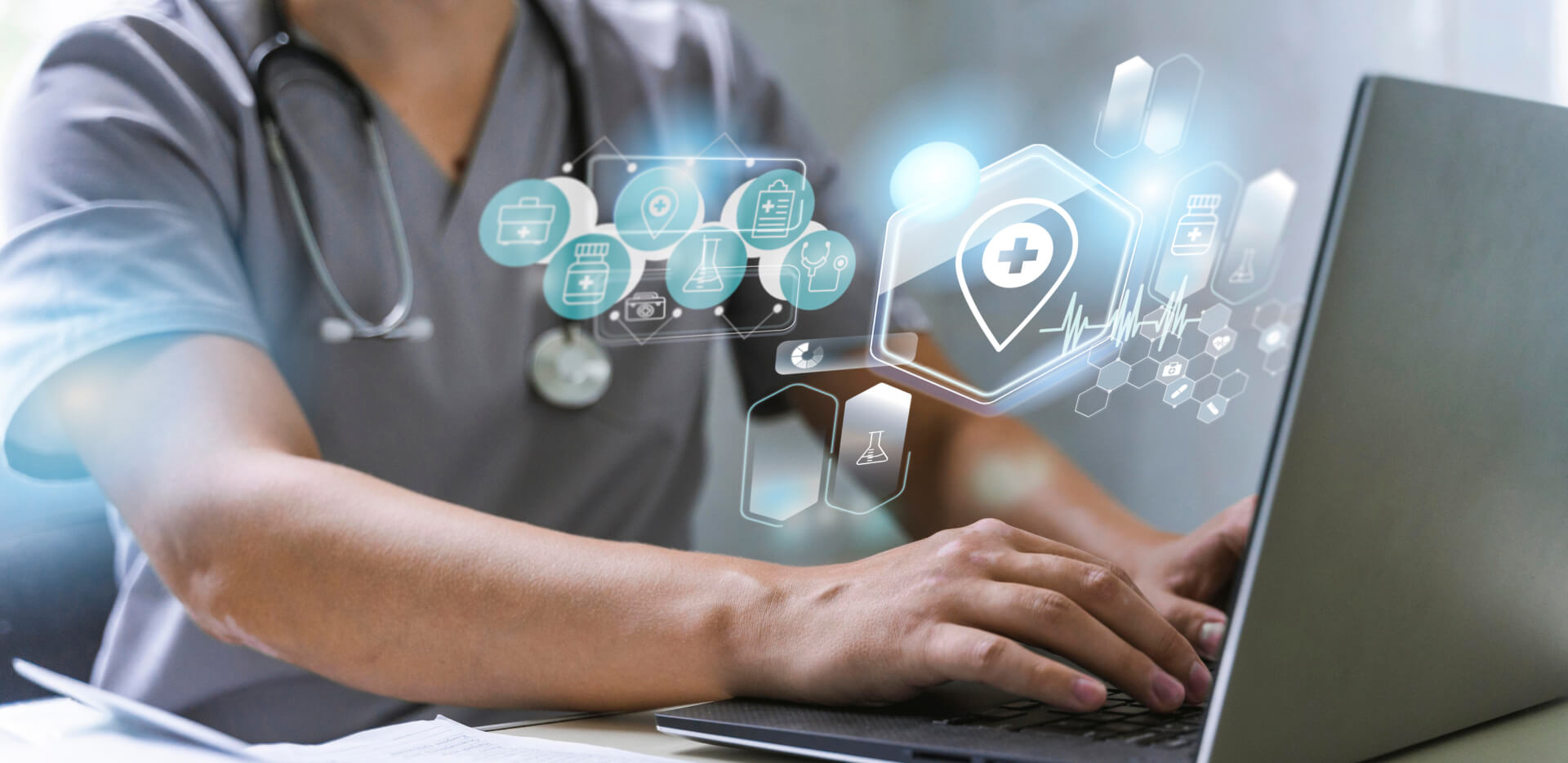
Digital health brings healthcare closer to patients through apps, telehealth platforms, and connected devices. Think video consultations or wearable devices that monitor your heart rate in real time. For medical credentialing, digital transformation means faster verification, automated workflows, and improved provider data management. These advancements are especially important when understanding insurance network differences such as PPO vs HMO, as providers must meet specific credentialing and enrollment requirements before joining different health plans.
- Cloud-based platforms: Store and verify provider data instantly.
- Real-time updates: Catch expired licenses or new certifications fast.
- Fewer errors: Digital systems reduce mistakes in paperwork.
For example, Credsy, a credentialing platform, reduces verification time from months to days by connecting with national databases and automating provider data checks. This helps healthcare organizations onboard qualified doctors faster, especially for remote patient care in underserved areas. When choosing a medical credentialing company, providers should consider factors such as technology integration, verification accuracy, compliance expertise, and the ability to streamline credentialing workflows for faster approvals.
AI’s Role in Smarter Credentialing
Artificial intelligence (AI) is making medical credentialing quicker and more accurate. How does it work for you?
- Speeds up checks: AI scans records in seconds, not days.
- Spot issues: Flags outdated licenses before they affect your care.
AI isn’t flawless. Privacy concerns and the need for fair algorithms are real. However, when implemented correctly, AI helps ensure your telehealth provider is qualified to deliver remote patient care without unnecessary delays. Many of the best medical credentialing companies in the United States are also using AI-powered verification tools to speed up provider credentialing, improve accuracy, and reduce compliance risks while maintaining high standards of patient safety.
Remote Patient Care and Credentialing Challenges
Navigating Telehealth’s Growth
Remote patient care expanded rapidly with the rise of telehealth during the COVID-19 pandemic. Patients could consult a doctor from home, but treating patients across state lines introduced new licensing and compliance challenges. Since each state has its own licensing requirements, a medical credentialing company can help healthcare providers manage multi-state credentialing, streamline provider enrollment, and ensure compliance with state and payer regulations.
- Interstate issues: Doctors need licenses for every state they serve.
- Solution in progress: The Interstate Medical Licensure Compact (IMLC) lets doctors in over 30 states get multi-state licenses easily.
Skills for Virtual Care
Remote patient care is not limited to video consultations. It also includes advanced tools like remote monitoring devices, wearable technology, and heart monitors that send real-time health data to providers. As healthcare technology evolves, providers need new skills and training, and medical credentialing is adapting to these changes. This highlights the importance of medical credentialing for healthcare providers, as it ensures professionals are qualified, technology-ready, and capable of delivering safe and effective care in a digital healthcare environment.
- Telehealth training: Credentialing now checks for virtual care expertise.
- Tech know-how: Ensures providers can use digital health tools effectively.
This means your doctor isn’t just qualified but also trained to manage your care remotely. How confident would you feel knowing your provider is telehealth-ready?
Blockchain: A Secure Future for Credentialing
Blockchain is a secure digital record that can’t be altered. It’s entering medical credentialing to make things safer and faster for you.
- Secure data: Stores your provider’s credentials permanently.
- Quick sharing: Let's doctors share verified records instantly.
- Reduces fraud: Ensures no one fakes qualifications.
For example, ProCredEx uses blockchain technology to allow providers to share verified credentials with hospitals in seconds. This advancement is especially valuable for remote patient care, where doctors may provide services across multiple states. While blockchain can improve security, speed, and transparency, healthcare organizations still need effective strategies to overcome medical credentialing challenges, including regulatory differences, data privacy concerns, and compliance requirements. Could blockchain make the credentialing process more efficient and reliable for the future of healthcare?
What’s Coming for Medical Credentialing?
Unified Standards
Right now, every state and hospital follows different credentialing rules and requirements, which can slow down provider approvals and limit access to remote patient care. A universal credentialing standard could simplify the process, reduce administrative challenges, and improve efficiency. It may also help healthcare organizations better manage medical credentialing cost by reducing repetitive paperwork, minimizing delays, and streamlining provider verification across different locations.
- One set of rules: Streamlines licensing across states.
- Faster access: Gets providers to you quicker, wherever you are.
Imagine your doctor treating you anywhere without delays. Wouldn’t that make healthcare easier?
Real-Time Monitoring
Credentialing used to happen every few years. Now, digital health tools allow constant updates.
- Instant alerts: Notifies hospitals if a license expires.
- Ongoing checks: Keep your provider’s credentials current.
This ensures your telehealth doctor is always qualified, giving you peace of mind during remote patient care.
Transparency for You
You are becoming more involved in your healthcare through digital health tools like patient portals, which provide easier access to medical information and provider details. Credentialing is also becoming more transparent, allowing patients to verify their healthcare provider’s qualifications with greater confidence. With the support of medical billing and credentialing services, healthcare organizations can maintain accurate provider records, improve compliance, and create a smoother experience for both providers and patients.
- See credentials: Check your doctor’s qualifications online.
- Trust your care: Makes remote patient care feel secure.
Some hospitals now share provider details on their websites. You can verify your doctor’s training before a telehealth visit.
Challenges to Address
Medical credentialing in the digital health era isn’t perfect. What’s holding it back?
- Tech access: Smaller clinics may lack funds for advanced systems.
- Data Security: It is imperative to protect provider information against hackers.
- Fairness: AI has to have no bias in the credential checks.
These hurdles need solutions to ensure remote patient care stays safe and accessible for you.
How Providers Can Get Ready
If you are a healthcare provider, here's what you should do in preparation for changes to medical credentialing:
- Understand and adopt technology: You should learn about telehealth and digital health tools.
- Keep updated records: keep your licenses and certifications up to date.
- Training to be telehealth ready: obtain training and certification in remote patient care.
- Watch rules: Stay informed on licensing changes.
- These steps help you deliver care that patients trust.
The Future Looks Bright
Medical credentialing will change to keep pace with an increased reliance on technology for digital health and remote patient care. New technology, including AI and blockchain, will enable credentialing to be done in a real-time manner and ensure security to occur to protect the provider. Especially in healthcare, where there will be an acceptance of unified standards, the providers will be more accessible. Because of the transparency of credentialing in healthcare, you can trust your providers, whether they are in a clinic or on your phone.